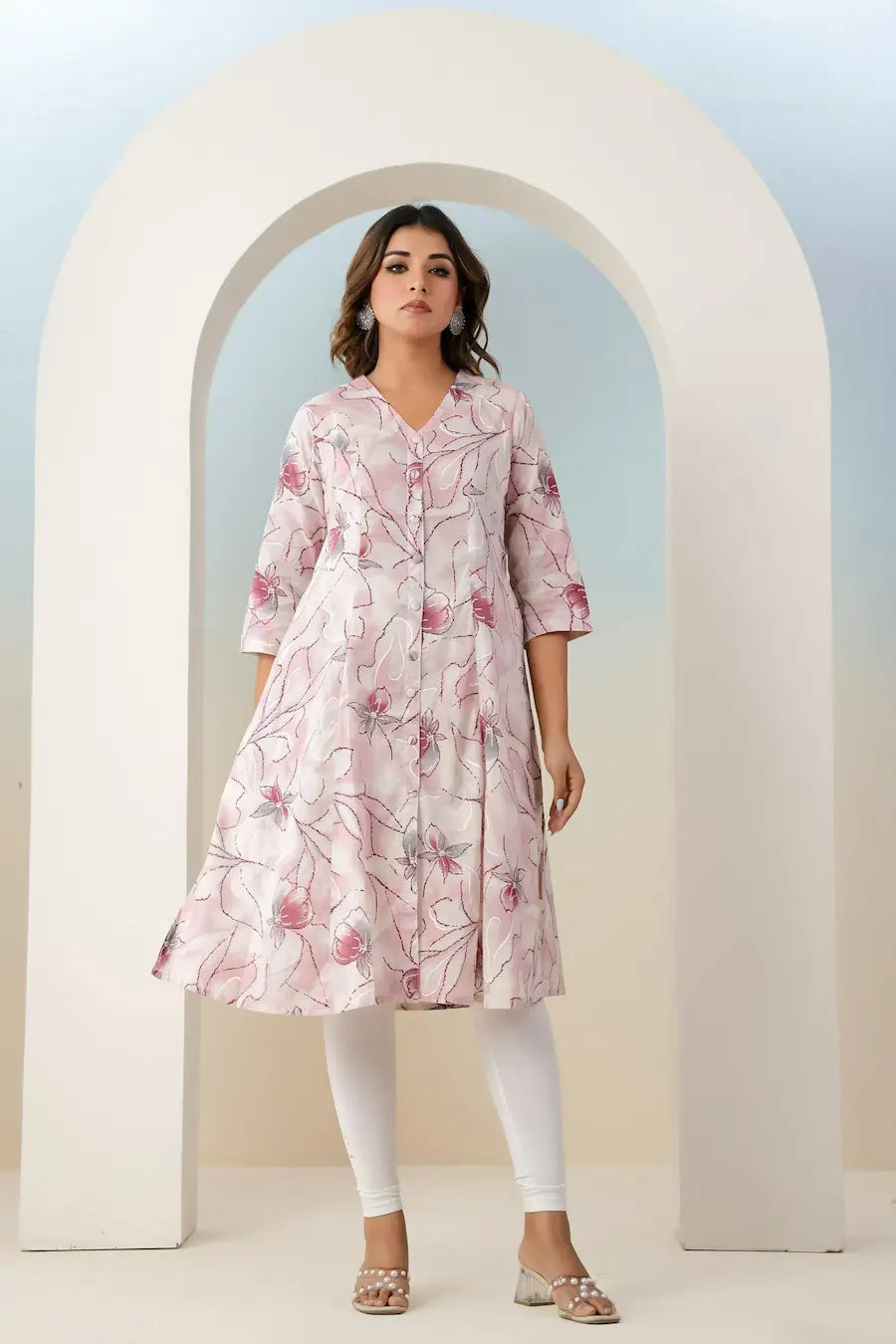
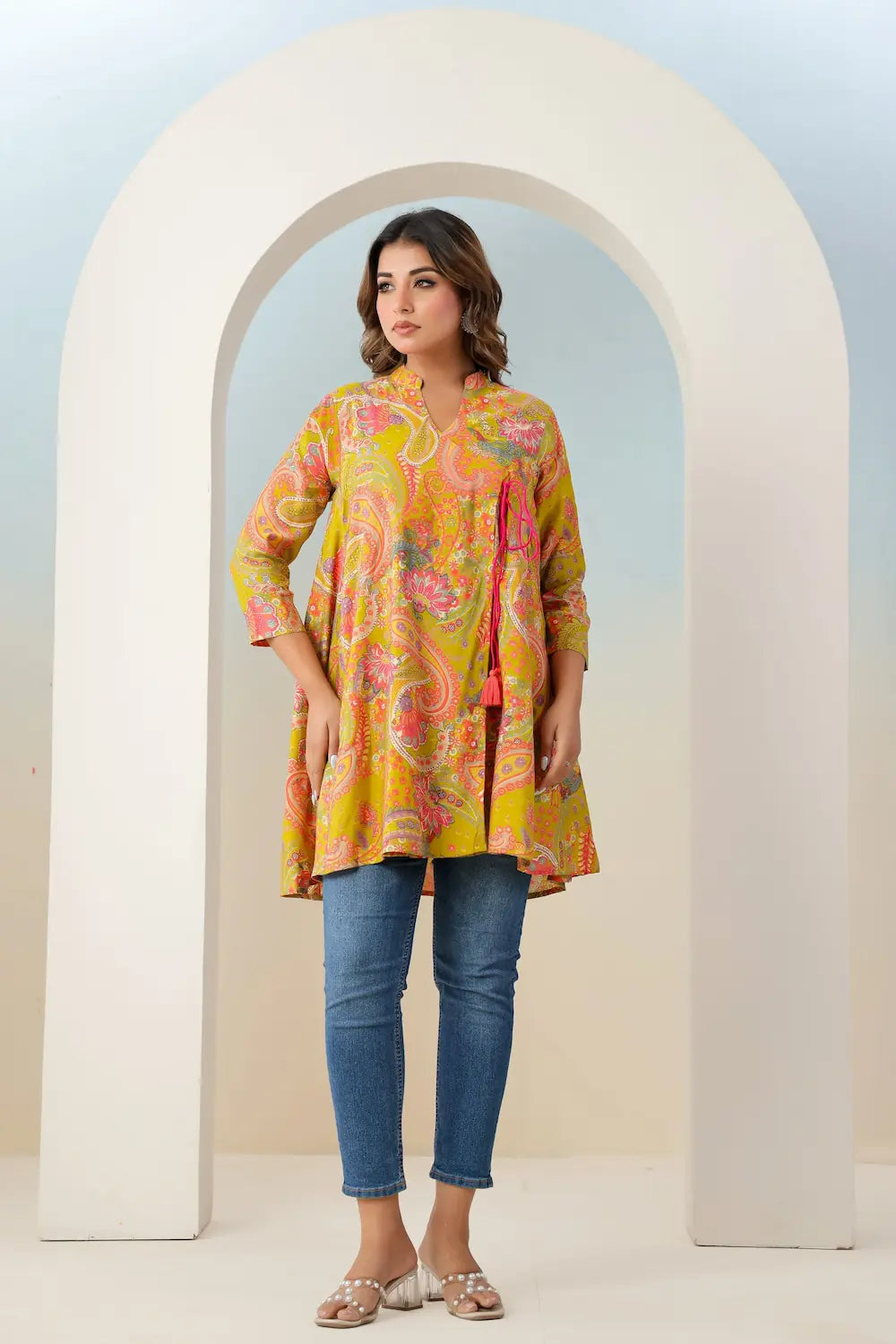
Jaipur has long been the beating heart of India's ethnic textile industry. From its iconic block printing traditions to its thriving cotton fabric mills, the Pink City supplies ethnic wear to millions of Indian women and to export markets across the world. But 2026 has brought with it a set of challenges that are reshaping the industry in ways that every conscious buyer of ethnic wear should understand.
The Global Context: Trade Disruptions and Rising Uncertainty
Ongoing geopolitical tensions and trade disruptions globally have created a ripple effect that has reached deep into India's textile supply chains. Raw cotton procurement, dye imports, and export logistics have all been impacted. For Jaipur's textile ecosystem — which relies on a delicate balance of local craftsmanship, imported dyes, and global demand — this has meant navigating one of its most challenging periods in recent memory.
Key pressures the industry is currently facing include:
-
Rising raw material costs — Cotton prices have seen upward pressure due to supply chain disruptions, affecting the cost of producing quality fabric at scale
-
Dye and chemical imports affected — Many reactive dyes used in Jaipur's signature block and screen printing come from international suppliers; disruptions have led to both cost increases and availability issues
-
Export slowdowns — Global buyers from affected regions have reduced or paused orders, putting pressure on manufacturers who relied heavily on export revenue
-
Artisan livelihoods under strain — The block printing and hand dyeing communities, already vulnerable, are facing reduced work and income uncertainty
What This Means for the Domestic Market
With export channels under pressure, many Jaipur manufacturers are pivoting harder toward the domestic Indian market. This has both positive and challenging implications:
On the positive side, more Jaipur-made ethnic wear is becoming available domestically, and there is a renewed focus on the Indian consumer. Brands that source directly from Jaipur artisans and mills — like YAVASTRAH — are able to bring authentic, quality ethnic wear to Indian women without the markup of international supply chains.
However, the pressure on margins has also accelerated a troubling trend: some manufacturers, squeezed by rising costs, are substituting premium cotton with cheaper synthetic blends to maintain low price points. This is flooding the market with garments that look like cotton ethnic wear but aren't — a problem we've written about before.
The Artisan Community: Resilience Under Pressure
Jaipur's block printing and hand dyeing artisans — many of whom come from families that have practised these crafts for generations — are showing remarkable resilience. Community cooperatives and small workshops are adapting by focusing on domestic buyers, reducing waste, and innovating with locally available natural dyes.
But they need support. Every purchase of genuinely Jaipur-crafted ethnic wear — from brands that are transparent about their sourcing — directly sustains these artisan communities during a difficult period.
What Conscious Buyers Can Do
In times of market disruption, the choices you make as a buyer matter more than ever. Here's how to support India's cotton textile heritage:
-
Choose quality over price — Resist the temptation of suspiciously cheap "cotton" ethnic wear. The cost is being cut somewhere, and it's usually the fabric and the artisan's wage
-
Ask about sourcing — Support brands that are transparent about where their fabric comes from and how their garments are made
-
Buy less, buy better — A well-made cotton ethnic dress that lasts two years is a better investment — financially and ethically — than three cheap pieces that fall apart in a season
-
Celebrate Indian craftsmanship — Block prints, hand dyes, and traditional motifs are not just beautiful — they represent centuries of skill that deserves to be preserved
YAVASTRAH's Commitment
At YAVASTRAH, we source our cotton fabric carefully and work with suppliers who share our commitment to quality and fair practice. In a market that is under pressure to cut corners, we are choosing not to. Our prices reflect the true cost of premium cotton, quality printing, and ethical sourcing — not a race to the bottom.
We believe that Indian ethnic wear at its best is a celebration of this country's extraordinary textile heritage. That heritage is worth protecting — especially now, when it needs conscious buyers more than ever.
A Final Thought
The challenges facing Jaipur's cotton industry in 2026 are real and significant. But so is the resilience of the artisans, the manufacturers, and the brands that are choosing to do things the right way. As a buyer, you are part of this story. Choose wisely, choose quality, and choose India's textile heritage.
Follow us on Instagram for updates, styling inspiration, and stories from the world of Indian ethnic wear: @yavastrahofficial