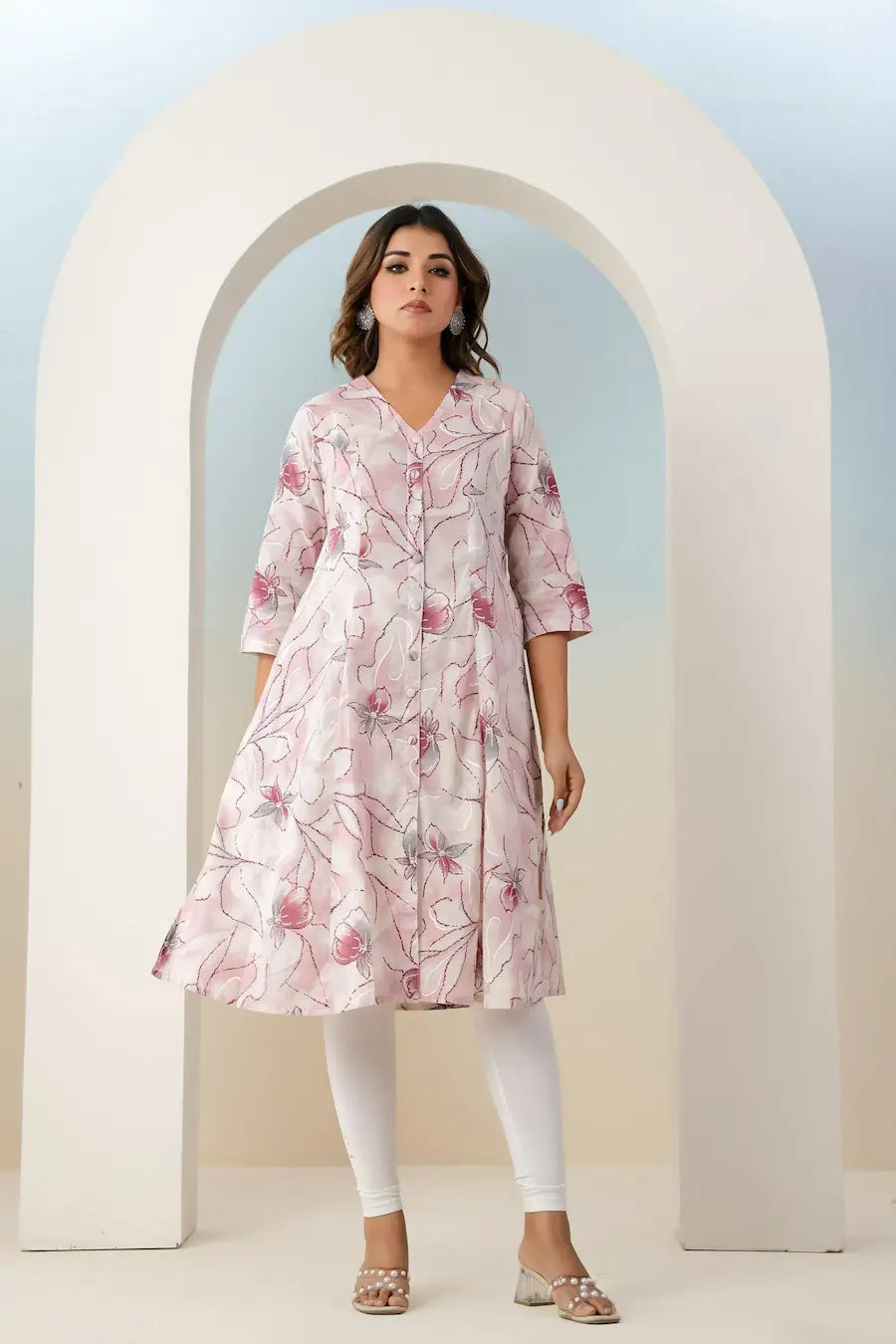
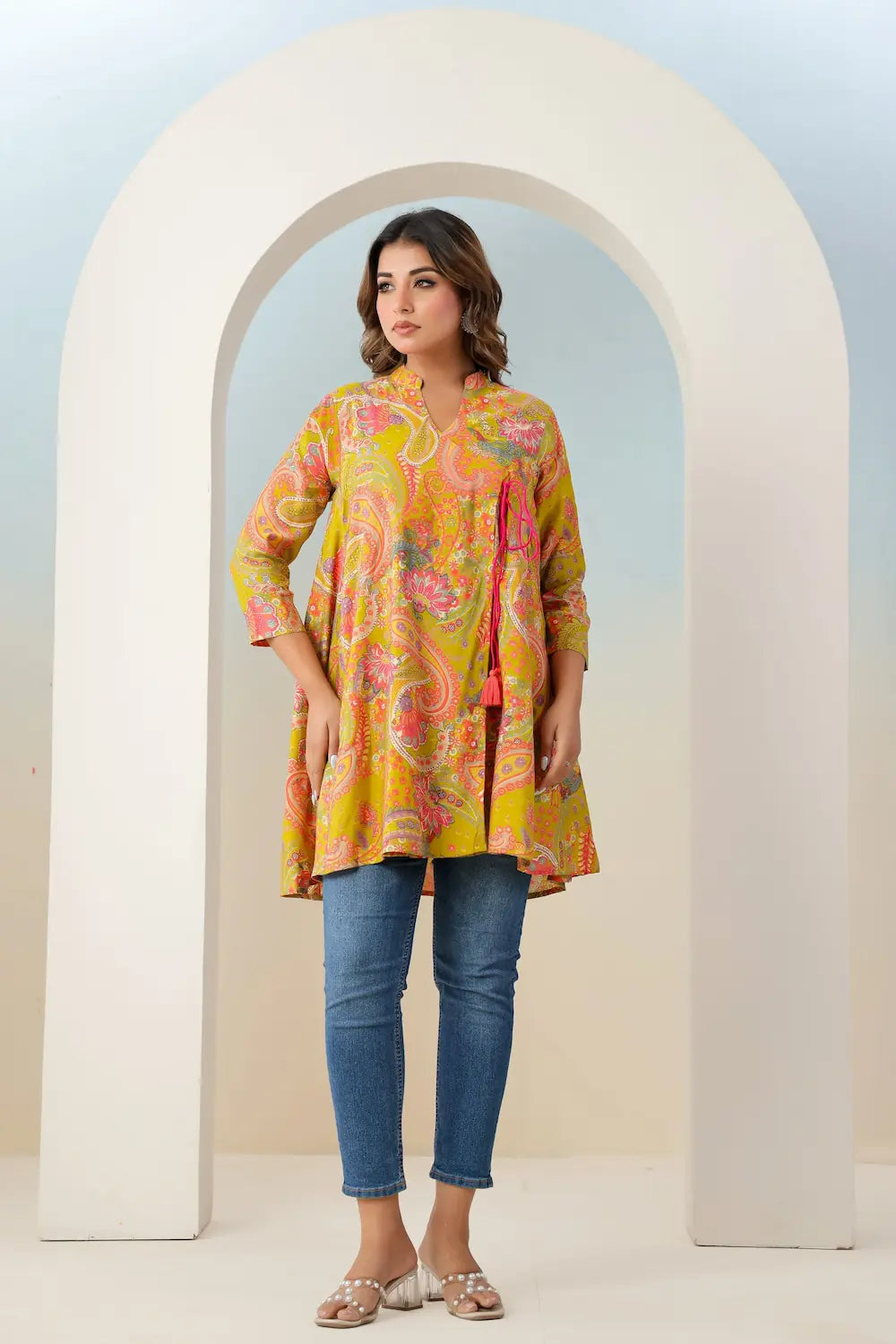
Layering is an art form that transforms simple ethnic pieces into versatile, occasion-ready outfits. It's about creating depth, adding dimension, and building looks that work from morning meetings to evening celebrations. Master the art of layering, and you'll never run out of styling options.
At YAVASTRAH, we design pieces that layer beautifully together, giving you endless possibilities to express your personal style.
✨ Why Layering Matters in Ethnic Fashion
Layering isn't just about adding more clothes—it's a strategic styling technique that creates visual interest and depth, allows one outfit to work for multiple occasions, adds warmth without sacrificing style in transitional weather, and lets you showcase multiple pieces from your wardrobe simultaneously.
The key is knowing which pieces to layer, how to balance proportions, and when to stop adding.
🎨 The Foundation: Starting with the Right Base
Every great layered look starts with a solid foundation. Our Powder Blue Floral Printed Cotton Kurti is the perfect base layer—simple, elegant, and versatile enough to build upon.

Choose base layers that are fitted or semi-fitted to avoid bulk, made from breathable fabrics that won't overheat, and in colors that coordinate with your layering pieces.
🌟 Layering Piece #1: The Dupatta
The dupatta is your most versatile layering tool. Drape it traditionally over both shoulders for classic elegance, wrap it around one shoulder for asymmetrical drama, use it as a shawl for added warmth and coverage, or tie it at the waist to create a belt effect.
A well-chosen dupatta can completely transform the mood of your outfit—from casual to formal, simple to statement-making.
Dupatta Styling Tips
Match your dupatta to your bottom wear for a coordinated look, contrast it with your kurti for visual interest, choose embellished dupattas for evening events, and opt for lightweight cotton or chiffon for daytime comfort.
💫 Layering Piece #2: The Jacket or Shrug
Adding a jacket or shrug instantly elevates any ethnic outfit. While we don't currently have dedicated jackets, you can create beautiful layered looks with long kurtis worn open over fitted pieces, or by styling our Angrakha Kurtis as wrap-style layers.
Creating Jacket-Style Layers
Wear a long kurti unbuttoned over a crop top and palazzo, layer a contrasting kurti over a fitted dress, or use a cape-style dupatta as an outer layer for dramatic effect.
🎭 High-Low Kurtis: Built-In Layering
High-low kurtis create an inherent layered effect with their asymmetrical hemlines. Our Ruby Red High-Low Kurti demonstrates this beautifully—the flowing silhouette creates natural dimension and movement.

Style high-low kurtis with fitted leggings to emphasize the silhouette, add a contrasting dupatta for extra dimension, or layer with a belt to define the waist and create structure.
👗 Layering for Different Occasions
Office Wear Layering
Start with a simple kurti in a professional color, add a structured dupatta draped neatly, pair with straight pants or cigarette trousers, and keep jewelry minimal—small studs and a delicate watch.
The goal is polished and professional without being overly ornate.
Festive Occasion Layering
Begin with an embellished or printed kurti, layer with a heavily embroidered dupatta, add statement jewelry—jhumkas, bangles, rings, and pair with embellished palazzo or churidar.
Our Maroon & Black Geometric Print A-Line Flare Dress works beautifully for festive occasions when layered with a contrasting dupatta and statement accessories.

Casual Weekend Layering
Pair a simple kurti with jeans, add a lightweight dupatta casually draped, keep accessories minimal—small hoops or studs, and choose comfortable footwear like kolhapuris or sneakers.
Casual layering should feel effortless, not overdone.
🎨 Color Coordination in Layering
Successful layering requires thoughtful color coordination. Try monochrome layering with different shades of the same color for sophisticated depth, complementary colors like blue and orange or purple and yellow for vibrant contrast, or neutral base with colorful layers—white kurti with bright dupatta.
Avoid clashing prints unless you're confident in pattern mixing, and when in doubt, use one printed piece and keep other layers solid.
💡 Proportion Rules for Layering
Balance is everything in layering. If your top layer is voluminous, keep bottom wear fitted. If you're wearing wide palazzo pants, opt for a more fitted top layer. Long outer layers work best with streamlined inner pieces, and avoid adding bulk at the same horizontal line—if your kurti ends at hip level, don't add a jacket that also ends there.
✨ Accessorizing Layered Looks
Accessories complete your layered outfit, but restraint is key. With heavily layered outfits, keep jewelry minimal to avoid overwhelming the look. If your dupatta is embellished, skip the necklace and focus on earrings. Belts can define the waist in flowing layered looks, and bags should complement, not compete—choose simple clutches or structured handbags.
🌡️ Seasonal Layering Strategies
Summer Layering
Use lightweight cotton or chiffon dupattas, opt for sleeveless or short-sleeve base layers, keep layers minimal—one or two maximum, and choose breathable fabrics that won't trap heat.
Winter Layering
Add shawls or heavy dupattas for warmth, layer long-sleeve kurtis under sleeveless pieces, incorporate scarves and stoles, and don't shy away from multiple layers for both warmth and style.
🎯 Common Layering Mistakes to Avoid
Over-layering creates bulk and looks messy rather than stylish. Mismatched proportions—like pairing a boxy kurti with wide palazzo—add unnecessary volume. Ignoring your body type means some layering techniques work better for certain body shapes. Too many patterns at once creates visual chaos, and forgetting the occasion—office layering should differ from wedding layering.
💫 Building a Layering-Friendly Wardrobe
Invest in these versatile pieces: 3-4 solid-color kurtis in neutral tones as base layers, 2-3 printed or embellished kurtis as statement pieces, multiple dupattas in various fabrics and colors, fitted leggings and palazzo pants in neutral colors, and one or two long kurtis that can be worn open as jacket-style layers.
With these essentials, you can create countless layered looks for every occasion.
Shop YAVASTRAH Layering Essentials
Explore our Complete Collection featuring kurtis, dresses, and sets designed to layer beautifully together. Mix, match, and create your signature layered style.
📸 Share Your Layered Looks
We love seeing your creative layering! Follow us on Instagram @yavastrahofficial and share your layered outfits with #YavastrahLayers for styling inspiration! 🌟
✨ Final Thoughts
Layering is where creativity meets practicality in ethnic fashion. It's about understanding your pieces, knowing your proportions, and having the confidence to experiment. Start simple, build gradually, and soon you'll be layering like a pro—creating outfits that are uniquely yours, perfectly suited to any occasion, and endlessly versatile. The art of layering isn't just about clothes; it's about expressing the many dimensions of who you are.